
Kao Mine shuts down
SHARE THIS PAGE!
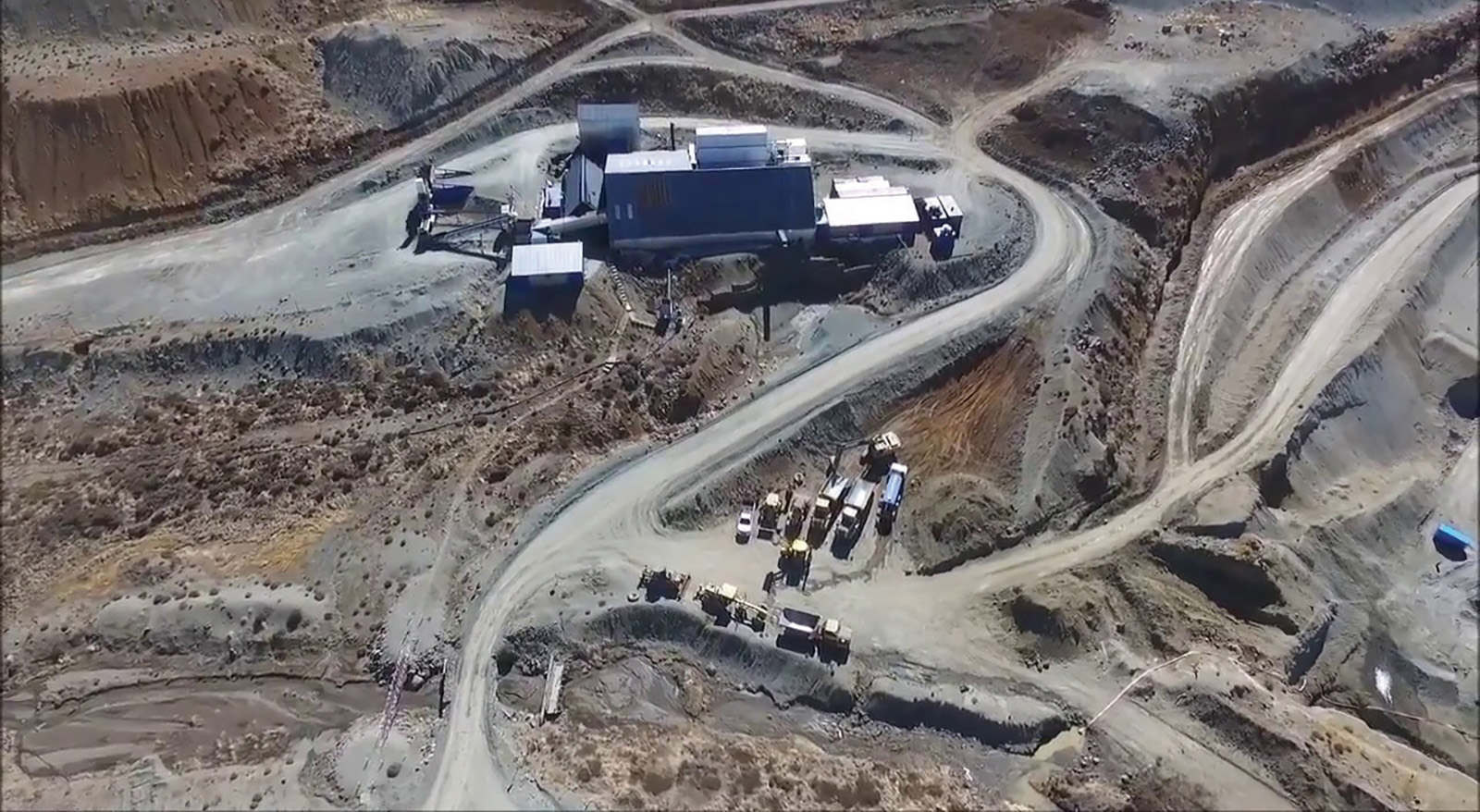
Storm Mountain Diamonds (SMD) (Pty) Ltd will cease operations on 30 June 2026, ending more than a decade of mining in the Mokhotlong district.
SMD, which operates a kimberlite diamond mine at Kao, is jointly owned by Namakwa Diamonds Limited (75 percent) and the government of Lesotho (25 percent). The kimberlite pipe is the largest in the country and the fourth largest in Southern Africa.
The mine has seen a sharp decline in both diamond prices and demand over the years. SMD sold about 250,000 carats in 2024, generating $50 million in sales — less than half of its 2022 revenue of $105 million.
The closure leaves over 800 workers unemployed, 97 percent of the Lesotho. Of these, 34 percent come from local villages.
Lesotho’s mining sector has been downsizing due to a combination of collapsing global diamond prices, competition from lab-grown alternatives, and domestic regulatory disputes.
SMD Corporate Chief Executive Officer, Neo Hoala, yesterday said she was waiting for the chairman of the board to approve the company’s response.
However, sources confirmed the mine’s closure.
A worker told theReporter on condition of anonymity this week that the closure has left his family’s future uncertain.
“I have worked at the mine for several years. The income is the only thing keeping my children in school and food on the table,” he said.
He now worries about paying school fees and providing basic household needs without a steady paycheque.
According to the workers, the mine had arranged for a counsellor to speak with them before the closure. However, the session did little to ease his anxiety.
“When they told us the mine is closing, my first thought was my children. How do I tell them they may have to leave school? This closure will affect my whole life negatively, and it will be very hard for me to live with that,” he noted.
Workers at the site said management has not mentioned anything about retrenchment packages.
We are still hoping to hear more from the management but the last day of next month will be the end of everything. Only security personnel will be left on the site, the worker said.
The Independent Democratic Union of Lesotho (IDUL) has blamed the company for violating the law by failing to engage it in the process.
In an interview with this publication this week, IDUL chairperson, Clarke Letsie, said the union was only informed about the mine’s closure by its members.
The union has over 79 members employed by SMD and other companies contracted by the mine.
Letsie said the union had asked the mine to engage them and follow proper retrenchment and consultation procedures but it has shown no interest in doing so.
“We consulted the mine, over violation of labour laws but they said the matter was between them and the workers. We will not stop until we fight for the rights of our members,” he noted.
He added that the impasse comes at a time IDUL still has a case pending at the DPPR (Directorate of Dispute Prevention and Resolution) over fair wages, safe conditions, and job security for miners in the country.
In a statement last year, the mine blamed the government for failing to honour its original mining agreement, saying this has made it impossible to secure investment needed to extend the mine’s life.
The mine claimed the Revenue Services Lesotho imposed higher tax rates, restricted deductions, and withheld VAT refunds despite binding terms on taxation, debt-to-equity ratios, and royalties set when the project launched. This deters investors seeking regulatory stability, it claimed.
Public Finance Analyst, Dr Limpho Lebesa said the closure will reduce government revenue from both the company and its employees.
Lebesa said Lesotho’s diamond sector pays tax through royalties and corporate income tax from mines, and through Pay As You Earn (PAYE) and Value Added Tax (VAT) from employees.
With Kao closing, government will lose both revenue streams. Based on 2023 figures, that is more than M120 million a year in royalties and corporate tax, plus an estimated M25 million to M35 million in PAYE from about 800 workers, she noted.
The most complete public data is from 2022. That year, Lebesa recalled, four operating mines generated M5.2 billion in revenue. Letšeng Diamond, the largest, paid M180 million in dividends and M133 million in corporate income tax, plus a 10 percent royalty on sales. Kao, Liqhobong and Mothae did not pay dividends or corporate tax that year.
Across the four mines, royalties totalled M512 million – employee tax (M98 million), salaries (M414 million), withholding tax (M132 million) and VAT M36 million.
For Kao alone, the latest figures are for the 2023 calendar year. The company reported paying M98.6 million in royalties and M22.4 million in corporate tax. That was lower than the 2022/23 financial year.
Liqhobong has been on care and maintenance since 2022 and has not paid corporate tax or dividends since then, Lebesa said in written responses to this publication.
She indicated that Letšeng carries most of the corporate tax burden because it produces higher-value stones. Kao and Liqhobong contribute mainly through royalties and PAYE.
The closure of Kao comes at a time when the national budget is already under pressure. “The closure of Kao and Liqhobong is not just a Mokhotlong problem. It is a national budget problem,” Lebesa pointed out.
She further stated that local suppliers and shop owners in nearby villages expect business to drop once the mine closes, pointing to its role in keeping retail, transport, and food services running.
The shutdown adds to a wider slowdown in Lesotho’s diamond sector over the past two years, driven by weaker rough diamond prices and falling investment.

Kao Mine shuts down
9 days ago
Lesotho marks International Day for Biodiversity
11 days ago
Crime prevention project launched
12 days ago
Disability council to launch report
12 days ago
Youth discuss challenges
14 days ago
PM commissions M16m electricity project in Peka
14 days ago
‘Use of agricultural land for housing must stop’
15 days ago
A poor district on the brink
15 days ago